
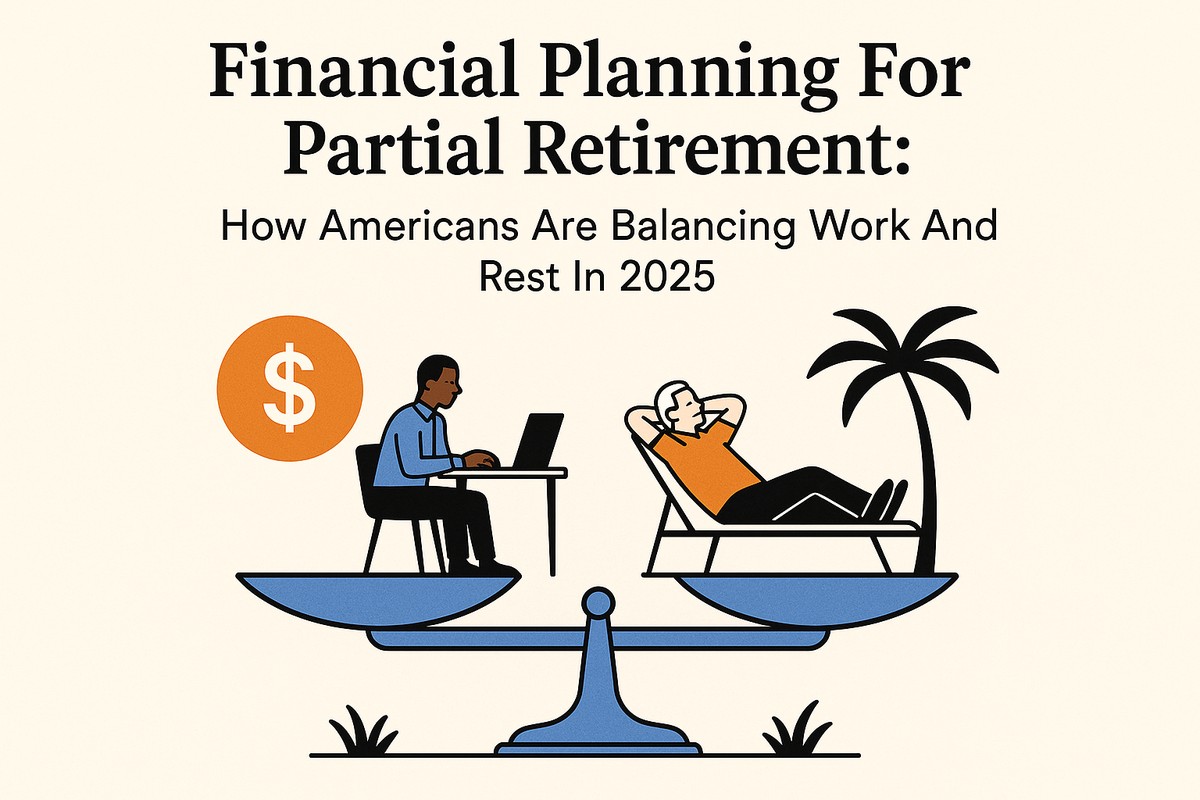
As Americans embrace partial retirement in 2025, managing finances effectively is key to balancing work and rest. With evolving work models and personal goals, financial planning has gained new importance. Knowing how to align resources can lead to a fulfilling lifestyle that blends professional activity with leisure.
This shift in retirement planning calls for strategic thinking. Rather than a full exit from the workforce, many prefer a phased transition that maintains income and supports mental well-being — a growing choice among older but active professionals.
Strategies for financial health in partial retirement
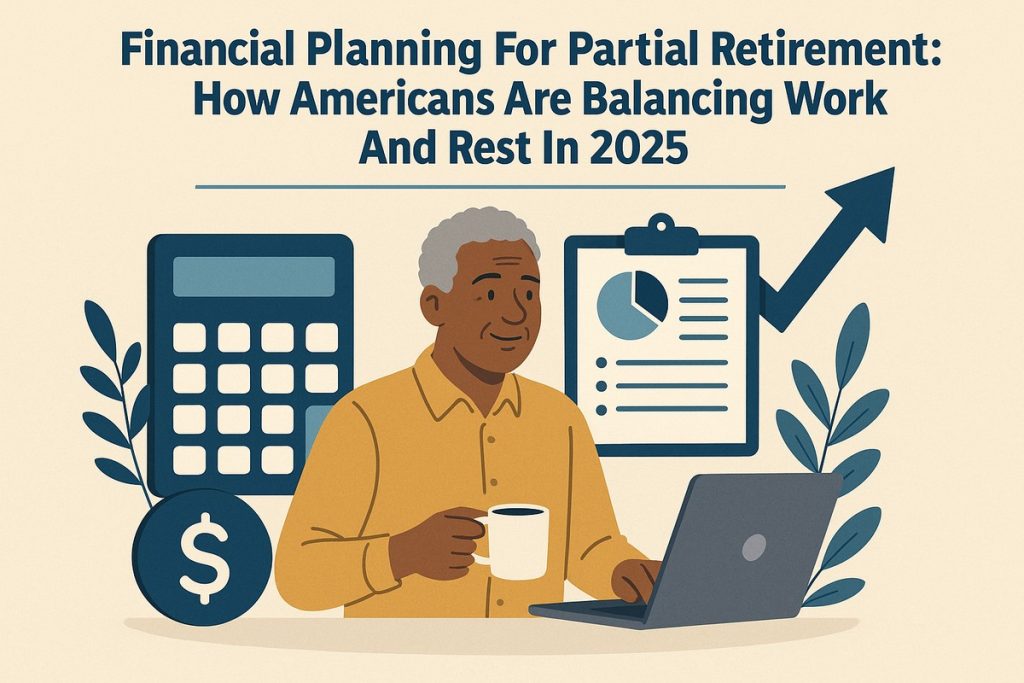
Achieving financial health during partial retirement requires careful planning and smart decision-making. The first step is understanding one’s finances — income sources, expenses, and savings goals. A thorough financial review of assets and liabilities forms the basis for effective planning, helping identify gaps and opportunities to ensure a steady income that supports a new lifestyle.
Building a diversified income portfolio is equally important. Depending on a single source can be risky; combining part-time work, investments, and social security creates a more stable and flexible plan. This approach cushions against setbacks and allows adjustments as needs and circumstances change.
Creating an adaptable budget for changing lifestyles
As lifestyles shift, budgeting becomes a dynamic process. An adaptable spending plan accommodates variations in income and expenses while maintaining financial discipline. Tracking expenditures and tweaking budget allocations are crucial for a fluid transition into partial retirement. Prioritizing essential expenditures while identifying areas for cost savings can free up funds for leisure activities, travel, or unforeseen emergencies.
Furthermore, individuals should consider healthcare costs, a significant expense that might rise with age. Allocating part of the budget to a health savings account can help mitigate these costs effectively. By maintaining an adaptive approach to budgeting, individuals can navigate their new lifestyles smoothly, ensuring financial security and peace of mind during this unique phase of life.
Balancing work and leisure through financial wisdom
Balancing professional commitments with personal time is often a rewarding endeavor during partial retirement. The importance of financial wisdom cannot be overstated, as it enables individuals to savor both aspects of life. Smart financial decisions, such as scaling down work hours while maximizing financial returns, enrich one’s lifestyle and provide more time for relaxation and personal growth.
Employing financial advisors or using digital financial tools can offer valuable insights and enhance decision-making. These resources can assist in tailoring financial strategies, ensuring they align with personal goals and preferences. By leveraging financial expertise, retirees can find an equilibrium between professional activities and personal satisfaction, enjoying the best of both worlds in their golden years.
Practical steps for optimizing income during semi-retirement
Maximizing income streams involves practical strategies that align with personal goals. Engaging in consultancy or freelance opportunities can offer flexibility and financial rewards. Additionally, reassessing investment portfolios to ensure they are geared toward income generation rather than growth can be beneficial.
Utilizing online platforms and networks to monetize skills can also provide additional revenue. By embracing new opportunities and diversifying income channels, individuals increase their financial resilience and enhance their ability to maintain a balanced lifestyle. With practical measures and strategic financial planning, partial retirement becomes an enriching stage of life, full of possibilities and freedom.
Embracing the future with informed financial choices
The evolving landscape of semi-retirement in 2025 empowers individuals to make informed financial choices, crafting a lifestyle that harmonizes work and leisure. As the approach to retirement continues to shift, embracing financial planning ensures both security and fulfillment.
By understanding personal financial dynamics and adopting diverse income strategies, individuals can build a stable, adaptable financial foundation. This empowers them to seize opportunities and face challenges with confidence. Ultimately, informed financial planning unlocks a fulfilling, balanced lifestyle in partial retirement, allowing Americans to enjoy the fruits of their labor without sacrificing well-being.