
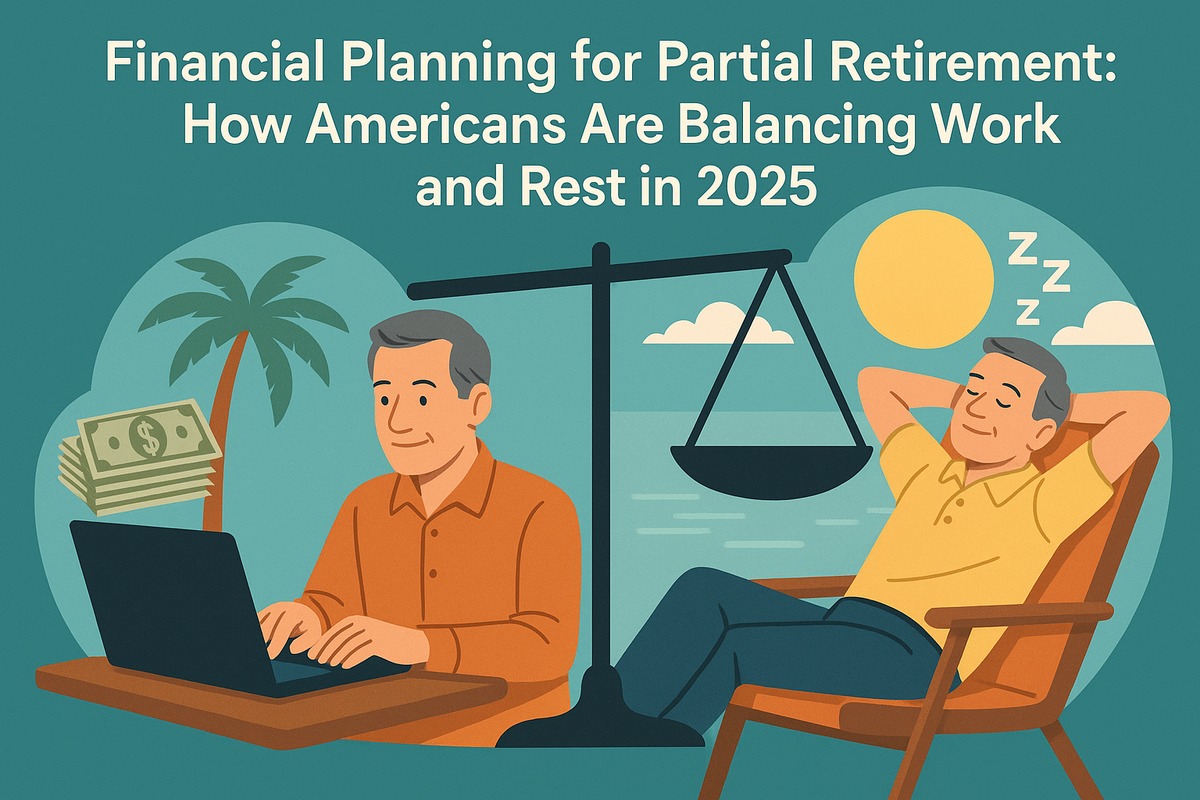
As more Americans look to strike a balance between work and relaxation, the approach to partial retirement has gained traction in 2025. This evolving trend offers a unique strategy for individuals seeking financial well-being while also embracing a more laid-back lifestyle.
Understanding how to manage finances effectively during this transition is crucial. As people continue to live longer and healthier lives, the idea of gradually winding down from the workforce has become increasingly attractive.
Partial retirement: the new norm
Adjusting to a lifestyle that blends employment with leisure is becoming a preferred choice for many nearing retirement age. This partial transition offers a unique opportunity to continue earning income while reducing work hours. The flexibility granted by this arrangement allows for better management of personal time, facilitating pursuits long postponed.
Practicing effective financial planning during this partial retirement phase is essential. By carefully examining current income, anticipated expenses, and future financial needs, individuals can create a blueprint that maximally supports this lifestyle. Professional financial advisers increasingly focus on strategies for those opting to work less while enjoying more personal time.
Balancing income and leisure
For those considering partial retirement, finding the right balance between income and leisure is key. In this phase, retaining a portion of one’s employment income while dialing back workloads allows for the maintenance of a steady cash flow. This steady income stream often supplements retirement savings, extending their longevity and allowing withdrawals only when truly necessary.
Effective communication with employers about the desire to reduce work commitments while maintaining productivity is crucial. Many companies are open to bespoke arrangements, valuing the expertise and experience seasoned employees bring to the table. Open discussions about this lifestyle adjustment often lead to mutually beneficial setups, fostering a win-win situation for both parties.
The future of work-retirement fusion
As more individuals enter this next chapter of their lives, the fusion of work and retirement continues to gain appeal. This flexible approach reflects broader changes in career dynamics and personal expectations. Long gone are the days of stark work-retirement dichotomies. In a society that increasingly favors adaptability and autonomy, partial retirement offers a harmonious way to balance finances and personal happiness.
Exploring personalized retirement plans that take into account unique needs and aspirations remains vital. Financial planning for partial retirement poses a promising path for those who value both professional engagement and ample leisure.
👉 Also read: Strategies for Managing Debt in 2025: Renegotiation, Consolidation, and Digital Alternatives in the U.S.