
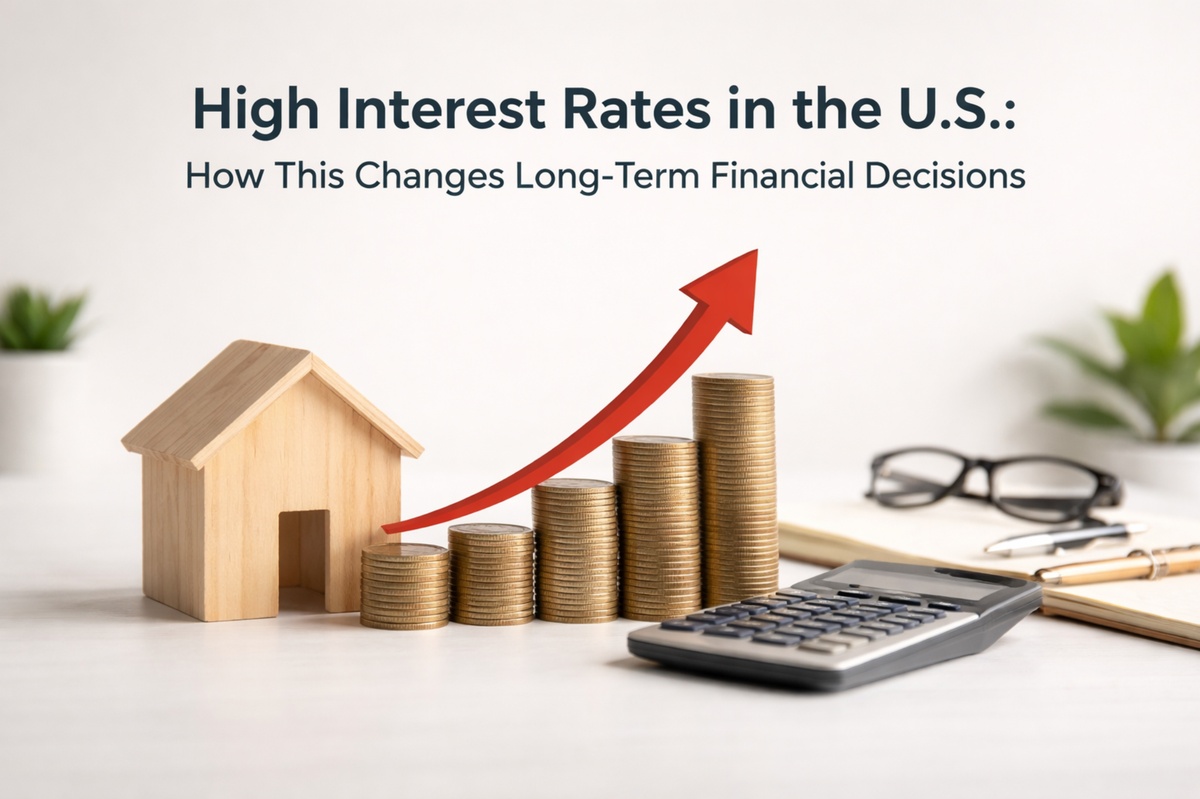
Navigating the world of finances becomes increasingly complex when interest rates rise in the United States. These changes have far-reaching effects on individual long-term planning. For both individuals and businesses, it’s crucial to understand the implications of these elevated rates.
They create a ripple effect, impacting everything from personal budgeting to corporate strategies. Now more than ever, making informed decisions is crucial to sidestepping financial pitfalls and optimizing opportunities. As we dive deeper into this topic, we’ll explore how these shifting economic dynamics fundamentally alter lifetime monetary plans.
Impact on investment strategies
Higher interest rates can dramatically reshape investment approaches. A spike in rates typically leads to higher borrowing costs, affecting stock and bond markets alike. Investors may find themselves less inclined to commit to long-term bonds, as rising rates can diminish their value. Instead, there’s often a pivot towards equities and assets offering immediate returns.
This shift prompts individuals to re-evaluate their risk tolerance and diversify portfolios. With the prospect of larger returns but increased volatility, it’s more important than ever to weigh each choice carefully and align investments with long-term aspirations.
Real estate and borrowing considerations
Higher borrowing rates directly influence decisions in the housing market. Mortgages become more expensive, which can deter buyers from taking the plunge into property ownership. This might lead potential homeowners to reconsider purchasing high-cost properties or opt for adjustable-rate mortgages to cope with rising costs.
Additionally, the elevated rates might increase the demand for rental properties, impacting rental markets. Evaluating the timing of such commitments is vital, as fluctuating rates can mean drastic changes in affordability. Understanding how these conditions interact with personal goals is a key component for successful long-term property investments.
Adapting financial planning for the future
As borrowing costs rise, consumers often shift their focus toward managing existing debts and controlling spending. High rates mean higher interest on credit cards and loans, making debt reduction a priority for many. This can impact lifestyle choices and force individuals to rethink expenditure and saving plans.
Financial advisors often encourage clients to build a more robust emergency fund as a cushion against economic uncertainty. With careful strategizing and a keen eye on interest trends, individuals can safeguard their future against inflation and evolving economic conditions. The journey involves balancing today’s needs with tomorrow’s security, ensuring that financial decisions stand the test of time.
👉 Also read: State Taxes in the United States: How Differences Affect Your Wallet