
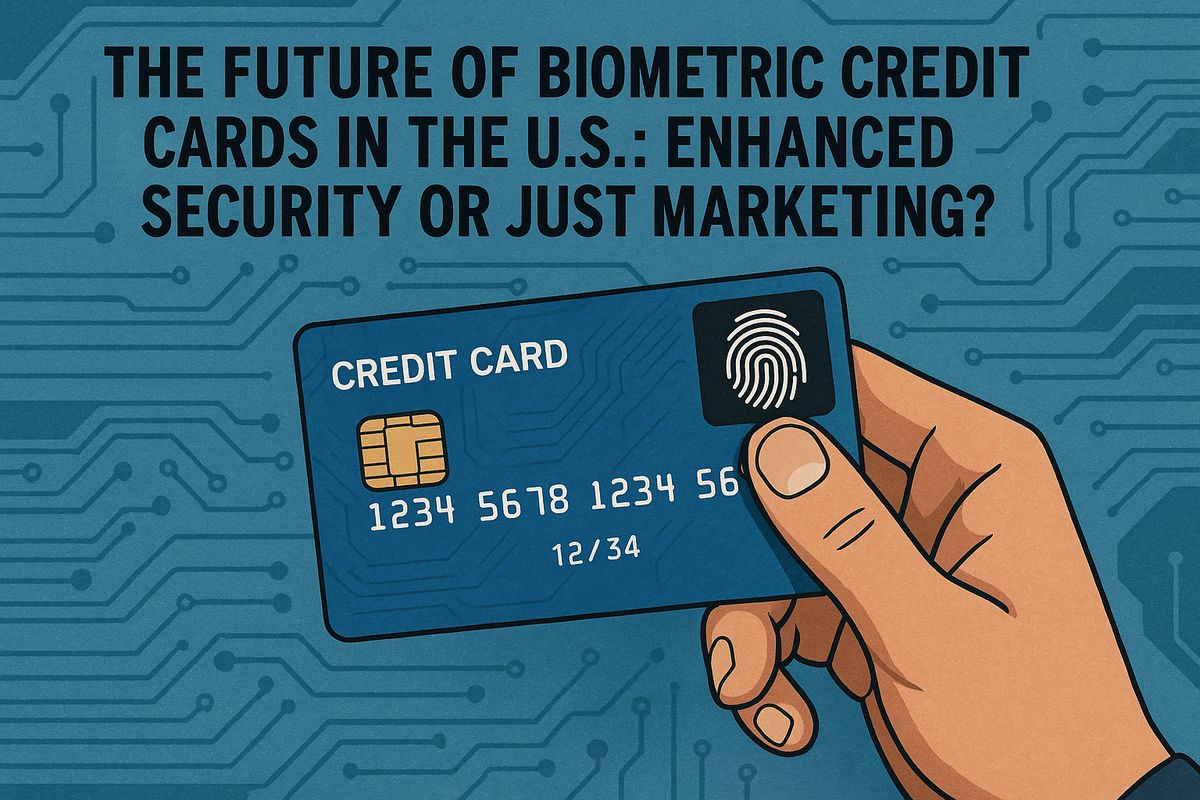
Biometric credit cards are making waves in the financial industry, aiming to redefine how Americans interact with banks. These cards, equipped with fingerprint recognition technology, promise enhanced security and a modern user experience. In a world of digital threats, this could be a game-changer — but it’s worth questioning whether the innovation truly delivers or is more hype than reality.
As technology advances rapidly, these cards have become a hot topic. The key question is whether they genuinely offer safer transactions or simply serve as a marketing tool to attract tech-savvy consumers. This discussion explores the concept and its real impact on payment methods in the United States.
Overview of security enhancements
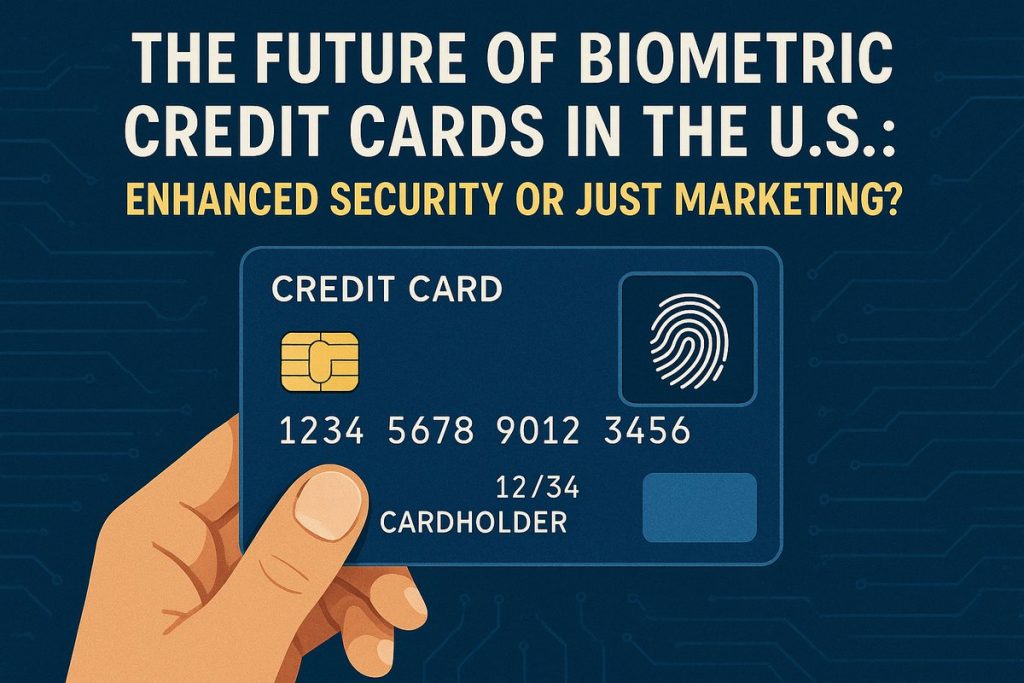
Biometric credit cards aim to bolster transaction security by using fingerprint recognition. This layer of verification can help minimize fraudulent activities significantly by ensuring that only the card owner can authorize its use. Traditional methods rely solely on PINs or signatures, which are vulnerable to theft and forgery.
Adding biometric authentication offers a robust alternative. The technology works by matching the user’s fingerprint against a template stored in a secure chip, thereby reducing the risk of unauthorized access. If widely adopted, this could set a new standard in secure payment methods, reassuring consumers concerned about their financial safety.
How biometrics enhance user experience
Beyond security, these cards promise a seamless user experience. The inclusion of biometrics allows for quick, contactless payments, which can streamline transactions significantly. This convenience appeals especially to younger generations, who are already well-versed in using such technologies on their smartphones.
Banks are betting that the allure of a quick, secure, and futuristic payment experience will drive adoption among consumers. Furthermore, the ease of use could help bridge the gap for those less comfortable with traditional online banking interfaces, providing a straightforward approach to managing finances.
Looking beyond the obvious
Despite the apparent advantages, it’s crucial to assess the broader implications of adopting biometric credit cards. Implementation costs, for instance, might be passed down to consumers, raising the question of affordability. Additionally, the storage and protection of sensitive biometric data will require robust security frameworks.
Financial institutions will need to invest in infrastructure and carefully navigate privacy concerns. Legislation around biometric data is still catching up, and consumers need assurances that their personal information is secure. This complementary analysis will determine if the benefits outweigh the potential drawbacks for mass adoption.
Practical considerations for adoption
For a successful rollout, practical considerations must not be overlooked. Financial institutions should focus on educating their customers about the benefits and safety of using biometric methods. Addressing privacy concerns transparently will be essential in building trust.
Moreover, ensuring compatibility with existing payment systems is crucial. Credit card providers will need to collaborate with merchants to facilitate a smooth transition. By addressing these practicalities, banks can improve the acceptance rate and make biometric credit cards a viable component of everyday transactions.
In conclusion
The advent of biometric credit cards might represent a significant step forward in financial security and consumer convenience. While the technology promises enhanced safety and a streamlined user experience, various factors like cost, data protection, and legislative compliance need thorough consideration.
Ultimately, the success of biometric credit cards in the U.S. may hinge on the industry’s ability to address these challenges head-on. Only then will it be clear whether they are a revolutionary security enhancement or merely a clever marketing ploy. As technology progresses, consumers will play a critical role in determining the future landscape of payment methods.